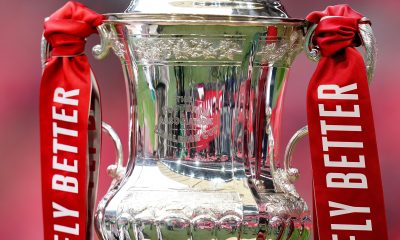
The FA Cup has always been about more than the giants of English football. Since its earliest years, the competition has thrived on the drama of small clubs defying the odds and creating moments that live on in football history. For non-league sides, every qualifying round carries the dream of a “giant-killing,” and every season brings fresh stories of resilience, passion, and ambition.
As the 2025-26 FA Cup campaign begins, dozens of non-league clubs are once again preparing to test themselves against higher opposition, knowing that just one memorable night can change the course of their season—and sometimes their future.
A tradition of giant-killings
From Hereford United’s legendary win over Newcastle in 1972 to Lincoln City’s remarkable run to the quarter-finals in 2017, the FA Cup has always celebrated the underdog. More recently, sides like Maidstone United have reignited the tradition, showing that non-league clubs can still capture national attention with fearless performances.
For the players, many of whom balance football with jobs and studies, these matches represent a rare chance to stand on equal ground with professional stars. For fans, they are a reward for loyalty, a reminder that dreams are not reserved for the Premier League.
Financial lifelines and community pride
Beyond the romance of giant-killings, the FA Cup also offers something more practical: financial survival. Prize money from even the early rounds can cover wages, pay for ground improvements, or fund youth academies. A televised tie against a big club can bring in revenue that transforms an entire season.
For communities, the Cup represents identity. Local pubs fill up, small towns buzz with excitement, and players become heroes overnight. In many ways, the FA Cup is not just a competition—it is a cultural event that binds people together.
The challenges of modern non-league football
Despite its magic, non-league football faces significant hurdles. Rising operating costs, stadium requirements, and competition for attention against the wealth of the Premier League put pressure on smaller clubs. Yet, it is precisely the FA Cup that gives them a national stage.
When a non-league club hosts a Football League opponent, it isn’t just about the 90 minutes—it’s about proving that their football matters, that their story has value, and that their supporters deserve recognition.
Players to watch in 2025-26
Several non-league clubs enter this season with players tipped for standout performances. Young strikers aiming to catch the eye of scouts, experienced captains providing leadership, and goalkeepers eager for their “FA Cup moment” all bring added intrigue.
In previous seasons, FA Cup runs have launched careers. Jamie Vardy’s story—from Fleetwood Town to Premier League champion—remains a reference point for how the competition can serve as a springboard. For many current non-league players, the Cup offers that same possibility.
Fans at the heart of it
For supporters, the FA Cup is as much about the journey as the result. Long away trips to unfamiliar towns, the nervous wait for the draw, and the atmosphere of small grounds packed beyond capacity all contribute to the unique experience.
While most fans enjoy it purely for the football, others add extra layers to the experience. Some run friendly prediction pools, others debate likely upsets in pubs, and many keep an eye on the odds offered by platforms like highbet.co.uk as part of the fun. It’s never about overshadowing the game itself, but about embracing the culture that surrounds it—the mixture of hope, nerves, and imagination that makes the Cup special.
The wider picture of English football
The FA Cup also highlights the strength and depth of English football. While the Premier League captures global headlines, the pyramid is sustained by thousands of players, coaches, and volunteers across non-league levels. The Cup connects these worlds, giving grassroots clubs the chance to stand alongside the elite.
Every year, the early rounds serve as a reminder of how deep the game runs. Clubs with fewer than a thousand regular supporters suddenly find themselves in the spotlight, showing that football at every level has stories worth telling.
Historical echoes
It’s impossible to look at the current non-league hopefuls without remembering the past. Who will be the next Sutton United of 1989, shocking Coventry? Or the next Yeovil Town, whose giant-killing reputation was forged in the FA Cup before their rise up the divisions?
These echoes of history inspire today’s players and managers. They know that one win in the FA Cup can put their club on the map forever.
The road ahead
As the 2025-26 FA Cup progresses, the first round proper will once again offer the chance for non-league clubs to face Football League opposition. By the third round, the dream becomes bigger: the possibility of hosting or travelling to a Premier League ground.
These fixtures are the lifeblood of the Cup’s identity. For Premier League clubs, the third round can feel like a formality. For non-league sides, it is often the pinnacle of their history.
The magic lives on
Non-league clubs remain the heart and soul of the FA Cup. Their journeys remind us why the competition endures, even in an era dominated by global television deals and financial giants. The FA Cup belongs to everyone—from Wembley’s grand stage to the modest terraces of non-league grounds.
This season will bring new names, new heroes, and new stories that fans will tell for generations. Because in the FA Cup, underdogs always have their chance. And for the players and supporters who live these moments, that chance means everything.




Featured
BT Calling

Dagenham & Redbridge
Dagenham & Redbridge boss Lewis Young wants to lead revival after relegation

Non-League Paper
Club allocations revealed: 2025-26 league line-ups unveiled
Follow us
Read our latest news on any of these social networks!



Tackle the News
- Sign Up for our weekly Non-League Newsletter