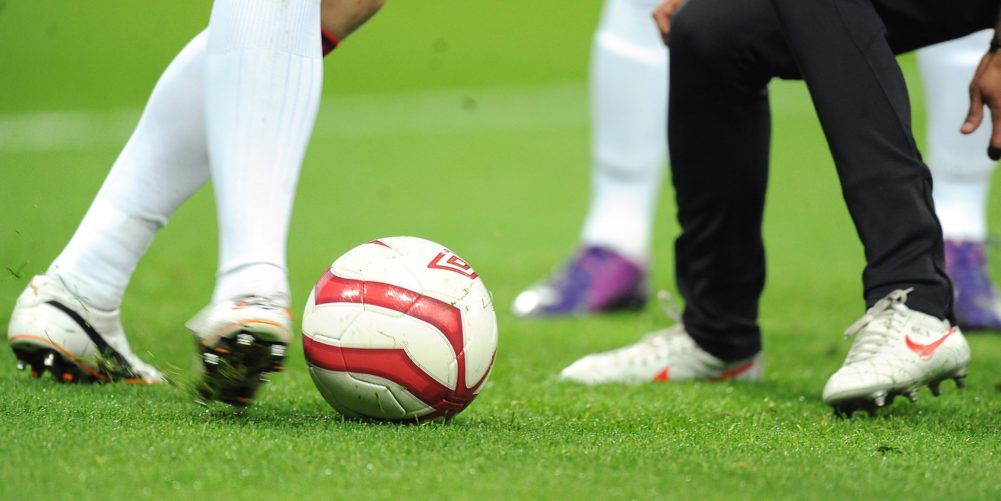
The FA Cup is a product of English origins, no doubt about it. Despite the modern skin, it doesn’t have the soul of modern football. It whispers to a time before superstar contracts and billion-dollar stadiums. It remains a relic out of time, drawing out an excitement rarely replicated on the biggest stages. So, how did this grand competition begin, defying expectations and enduring for over 150 years? It’s hard to cramp the FA Cup‘s rich history in only a few hundred words, but let’s try and recapture the essence of it in this brief overview.
Blueprint for Modern Football
The story of the FA Cup started rather simple. Way back in 1871, a man named C.W. Alcock had a bright idea. He suggested a knockout competition for English football clubs. The Football Association loved it, and thus, the FA Cup was born. Alcock’s blueprint set the foundations for what would soon become modern football. He wanted to give smaller clubs a fair chance, so he made the competition open to all teams in England. This wasn’t just about silverware or sports; it was about order. Back then, football was more of a wild brawl than the slick sport we know today. The FA Cup created a rulebook, a structure that football desperately needed. Its impact rippled far beyond England, serving as a model for organizing the game globally.
Gentlemen and Underdogs
In those early years, the FA Cup belonged to the ‘gentlemen’s clubs’ of the south. Teams like Wanderers and Old Etonians, composed of posh university boys, dominated the scene. It was all very civilized until a team of working-class lads called Blackburn Olympic barged onto the scene, scooping up the trophy in 1883. That win turned things upside-down. All of a sudden, football wasn’t just for the elite. For the first time, a working-class club won the major competition. The FA Cup has this wonderful habit of producing underdogs. Just when you think it’s predictable, along comes a non-league team knocking some big-name giants out of the tournament. Giant-killings, they call them, and that’s part of the FA Cup’s magic. The FA Cup has seen its share of David taking down Goliath. In 1972, Hereford United, then a non-league club, beat First Division giants Newcastle United in an infamous match that became known as ‘The Miracle at Edgar Street.’ And who could forget Wrexham’s win against Arsenal in 1992, a game hailed as the FA Cup’s greatest shock of all time?
Trophies and Wembley
Trophies come and go in the FA Cup. The original ‘little tin idol’ was stolen in 1895, never to be seen again! Since then, there have been several replacements. By the time the 1920s rolled around, the FA Cup Final needed a home to match its growing prestige. Enter Wembley Stadium. Those gleaming archways became synonymous with the tournament, turning the final into a grand spectacle watched by millions around the world. Then, the 70s and 80s saw hooliganism cast a dark shadow over the game. Several tragic events shook the FA Cup, leading to changes in how matches were organized and bringing fan safety to the forefront.
Modern Era Bringing More Teams and More Drama
Fast-forward to the modern era, and we find an FA Cup that champions inclusivity. Today, hundreds of teams, from titans of the Premier League to village clubs with barely a pitch to their name, can enter the fray. It’s as much about a journey as it is about the final destination. But tradition survives. Wembley is still the hallowed ground. Players still dream of lifting that cup in front of a roaring crowd. And underdogs? Well, they still get their day in the sun, reminding us why the FA Cup is simply the greatest knockout competition in the world. This was a quick sprint through the FA Cup’s story. There’s far more to explore, from legendary goals and dramatic comebacks to the ever-changing faces of football. Perhaps the real beauty of the FA Cup is simply its endurance, its ability to reinvent itself without losing its heart and soul. And with each passing year, new chapters are written, making the next FA Cup just as exciting and unpredictable as the last.




Featured
BT Calling

Dagenham & Redbridge
Dagenham & Redbridge boss Lewis Young wants to lead revival after relegation

Non-League Paper
Club allocations revealed: 2025-26 league line-ups unveiled
Follow us
Read our latest news on any of these social networks!



Tackle the News
- Sign Up for our weekly Non-League Newsletter