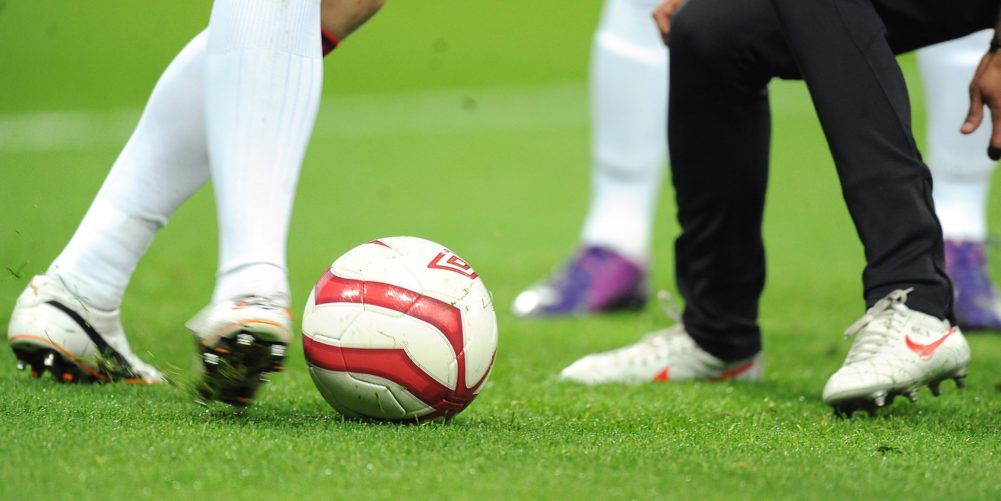
There’s something almost ridiculous about football when you really think about it. Twenty-two players compete over a single ball on the pitch, while millions follow along, fully absorbed in every moment. Yet here we are, in 2025, and football is bigger than ever. More people watch the World Cup final than any other single event on the planet, and that’s been true for decades now.
What’s really wild is how football affects everything else around it. During major tournaments, entire economies shift. Pubs change their opening hours, offices become ghost towns during afternoon matches, and entertainment venues – from restaurants to best arab casinos – see massive spikes in activity when big games are on. The ripple effect is insane. You’ve got people who couldn’t care less about sports suddenly planning their schedules around match times.
The Beautiful Simplicity
Football’s genius lies in how stupidly simple it is. You need a ball. That’s basically it. Everything else is optional. Goals can be two stones, a wall, or those expensive aluminum things at proper stadiums. The surface doesn’t matter much either – grass, concrete, sand, whatever you’ve got works fine.
Want to play American football properly? Good luck finding 21 other people plus all that protective equipment. Ice hockey? Hope you live somewhere with ice rinks and can afford skates. Tennis? Better find a court and someone who actually knows how to keep score because that system makes no sense whatsoever.
The rules are just as straightforward. Don’t touch the ball with your hands unless you’re the goalkeeper in the penalty area. Get the ball between the goalposts. Try not to kick your opponents too aggressively. That’s pretty much it. A six-year-old can grasp the fundamentals in minutes, but coaches spend entire careers trying to master the tactical nuances.
Football also doesn’t care what you look like. Messi’s about 5’7″ and weighs maybe 150 pounds soaking wet, while Adebayo Akinfenwa looks like he could bench press a car. Both are professional footballers who’ve had successful careers. Try finding that kind of physical diversity in basketball or rugby. Good luck.
Tribalism and Identity
Football taps into something primal about human nature. Supporting a team becomes part of your DNA somehow. People inherit team loyalties like they inherit eye color, and switching allegiances is considered borderline treasonous in most cultures. It’s completely irrational and absolutely essential to the sport’s appeal.
The tribal aspect creates instant bonds between strangers. Put two Liverpool fans in a room together and they’ll find something to talk about within thirty seconds, even if one speaks English and the other speaks Mandarin. They’ll figure out a way to communicate about last weekend’s match using hand gestures and facial expressions.
Football also does this weird thing where it temporarily overrides political tensions. Countries that can barely stand each other diplomatically will meet on football pitches and compete with relative respect. Look at how Balkan nations interact during European Championships, or how South American rivals put aside their differences for World Cup qualifying. The sport creates neutral territory where other forms of international relations completely break down.
Regional pride gets wrapped up in football success too. When Leicester City won the Premier League, the entire city lost its collective mind. People who hadn’t watched football in years suddenly became experts on tactical formations and transfer policies. This happens everywhere – football gives communities shared narratives and collective experiences that bind them together.
The Money Machine
The beautiful game has long since broken free of its shackles to become an international industry, one of the world’s biggest: transfer fees that could educate an African nation, weekly wages that outdo the average annual salary of most people, and broadcast deals that rival or even surpass the GDP of some countries.
As per financial reports from FIFA, global football revenue reached $28 billion in the year 2022. This is more than all other entertainment sectors together. The figures are so huge that they nearly go beyond all meaning but account for why everyone needs a slice of the football pie.
Corporate sponsorship is at levels that twenty years ago would have seemed impossible. Football shirt sponsorship is an incredible sum for these companies to pay just to have their logos on the shirt, seen by millions each and every week. All this creates cycles in more money generates better players attracting larger audiences justifying even bigger investments.



Featured
BT Calling

Dagenham & Redbridge
Dagenham & Redbridge boss Lewis Young wants to lead revival after relegation

Non-League Paper
Club allocations revealed: 2025-26 league line-ups unveiled
Follow us
Read our latest news on any of these social networks!



Tackle the News
- Sign Up for our weekly Non-League Newsletter