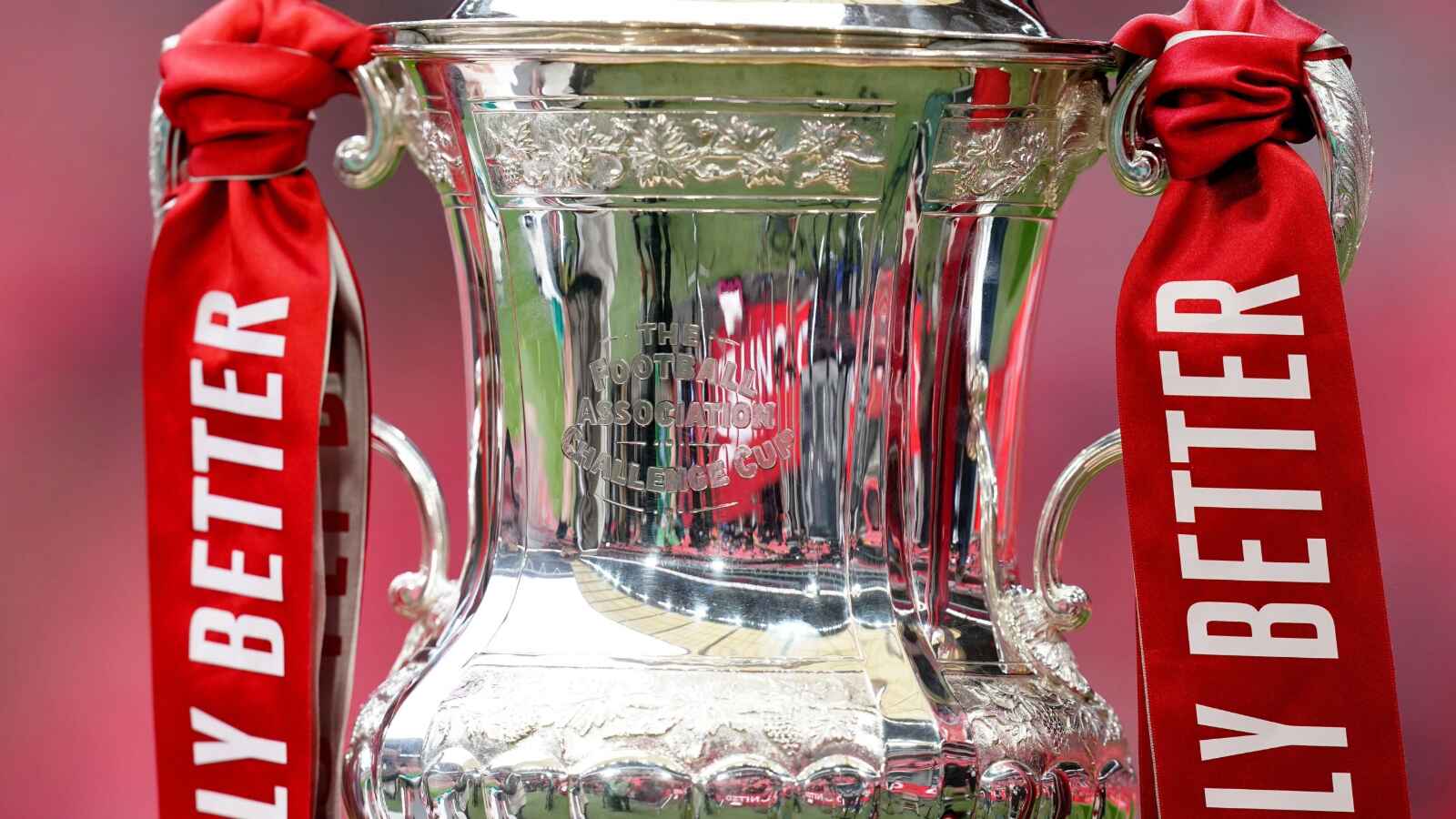
Gambling’s impact on FA Cup football
The FA Cup captivates millions with its unpredictable drama. Football and betting have grown increasingly intertwined over recent decades.
Fans now engage with matches through various platforms, including Booming Games slots, which mirror the tournament’s excitement.
This fusion reshapes how audiences experience the beautiful game. The relationship between gambling and football demands closer examination.
Key facts
- FA Cup sponsorship from gambling firms reached £42 million in 2023.
- A 2024 survey revealed 68% of fans see betting ads during cup matches.
- Over 55% of young adults placed a wager on a 2025 third-round fixture.
- Clubs earned approximately £17 million from slot-themed promotions in 2024.
- Problem gambling helplines reported a 31% spike during the 2023 final.
- The 2025 tournament introduced responsible gambling messages in all stadiums.
Betting alters fan engagement
Modern supporters often watch matches with a financial stake. They check odds and live bets alongside the score.
This dynamic changes pure celebration into calculated interest. Many fans now seek bonuses to extend their betting enjoyment.
The emotional rollercoaster of a close match parallels the thrill of a near jackpot win. This shift influences how people connect with their teams.

Sponsorship deals fuel club finances
Gambling companies pour significant funds into football. These partnerships provide essential revenue for clubs across all tiers.
Teams use this income for player acquisitions and facility upgrades. Critics argue this financial reliance creates ethical dilemmas.
The FA Cup’s magic sometimes feels overshadowed by branding. Yet these deals enable smaller clubs to compete on larger stages.
Regulatory measures intensify
Governing bodies implemented stricter advertising rules in 2025. New guidelines limit gambling logos on youth merchandise.
Clubs must now promote responsible gambling during cup broadcasts. These changes aim to protect vulnerable audiences.
The balance between revenue and duty remains challenging. Football continues adapting to its role in gambling harm prevention.
Future outlook remains uncertain
The relationship between gambling and football will likely evolve further. Emerging technologies could introduce new engagement forms.
Regulators may impose additional restrictions post-2025. Clubs might seek alternative sponsorship avenues.
Fan education initiatives are gaining traction. The beautiful game must navigate these complexities carefully.
Gambling’s presence in FA Cup football brings both benefits and significant risks. The industry provides crucial financial support while posing societal challenges.
A balanced approach prioritising fan welfare ensures the tournament’s legacy remains untarnished.
Football must honour its traditions while responsibly managing modern partnerships.
Can football survive without gambling money?
Clubs may soon face difficult financial choices. Sponsorship alternatives remain underdeveloped currently.
Some teams could reduce player acquisition budgets. Others might increase ticket prices for supporters.
Stadium improvements may face delays without gambling revenue. The financial transition could prove challenging for many clubs.
Regulatory changes will accelerate this shift. New restrictions could arrive within two years. Football authorities must prepare contingency plans now.
They should develop diverse revenue streams immediately. Broadcasting deals might help offset potential losses. Merchandising innovations could provide additional income.
The beautiful game existed before gambling partnerships. It will continue thriving afterward.
Clubs must rediscover traditional funding methods. Community ownership models offer promising alternatives.
Local business consortia could replace single sponsors. Football’s enduring appeal ensures its survival beyond gambling money.




Featured
BT Calling

Dagenham & Redbridge
Dagenham & Redbridge boss Lewis Young wants to lead revival after relegation

Non-League Paper
Club allocations revealed: 2025-26 league line-ups unveiled
Follow us
Read our latest news on any of these social networks!



Tackle the News
- Sign Up for our weekly Non-League Newsletter