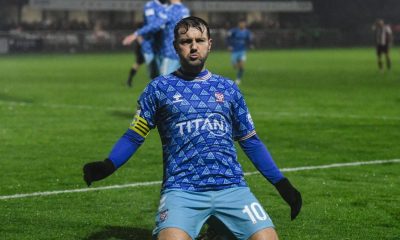
Non-League football has changed dramatically in the last couple of decades.
While it still holds strong ties to the community and allows fans to enjoy the match-day experience, there have been huge changes in the game at this level.
Social media has powered some of these and reshaped how supporters and clubs can interact.
Platforms allow clubs to extend their reach far beyond the local area, which means more visibility and long-term sustainable options for the lower levels of the English football pyramid.
Clips and highlights
One of the most noticeable changes is the increase in short-form match-day content.
These can take the form of player preparation or the ensuing celebrations. Alongside content created by clubs, fans can now follow fixtures, form and other information on certain iGaming sites.
To place a football bet, gamers can visit sites for competitions from the World Cup all the way down to English non-league football.
For example, there are Premier League odds on which gamers can find a range of markets, from goalscorer and goals markets to outright betting too.
This availability of information on betting sites reflects how football coverage online has extended beyond just the top leagues and gives supporters even more access to information on their club and opponents.
Clubs like Hashtag United have been a forerunner, gathering a huge following on social media.
Also, Marine AFC’s cup run a few years ago saw some memorable clips from the pitch, subs bench and terraces which captured the imagination of the whole footballing community, not just those associated with non-league.
Building identity through viral moments
The use of social media can also be leveraged as a key tool for brand building for some clubs.
Dulwich Hamlet have become widely recognised because of their content.
Eye-catching visuals and colourful terraces are widely known, while clips showing an exciting match-day atmosphere or fan displays let fans on the outside know that there is much more to the club than what is happening on the pitch.
Meanwhile, FC United use their social channels to position themselves as a club focused on their fans.
Here, supporters will regularly see videos documenting away days and reactions from the crowd.
Transparency and day-to-day club life
One of the main drawbacks about supporting a modern club in the top divisions in England is the lack of transparency and genuine interactions to be found between clubs and fans.
However, Non-League clubs need to provide this to stand out.
Bromley and Eastleigh are two that regularly post from the training ground or get player interviews in which they speak honestly about the realities of life at that level.
Furthermore, in a league where late cancellations or travel disruptions play a part, it is important that social media channels can communicate this to fans.
The Non-League game has changed in the past few decades, but the connection with fans has been strengthened through social media.
It remains rooted in the community, and clubs have been able to preserve and build their identity even more, meaning supporters can continue to stay engaged.




Featured
BT Calling

Dagenham & Redbridge
Dagenham & Redbridge boss Lewis Young wants to lead revival after relegation

Non-League Paper
Club allocations revealed: 2025-26 league line-ups unveiled
Follow us
Read our latest news on any of these social networks!



Tackle the News
- Sign Up for our weekly Non-League Newsletter