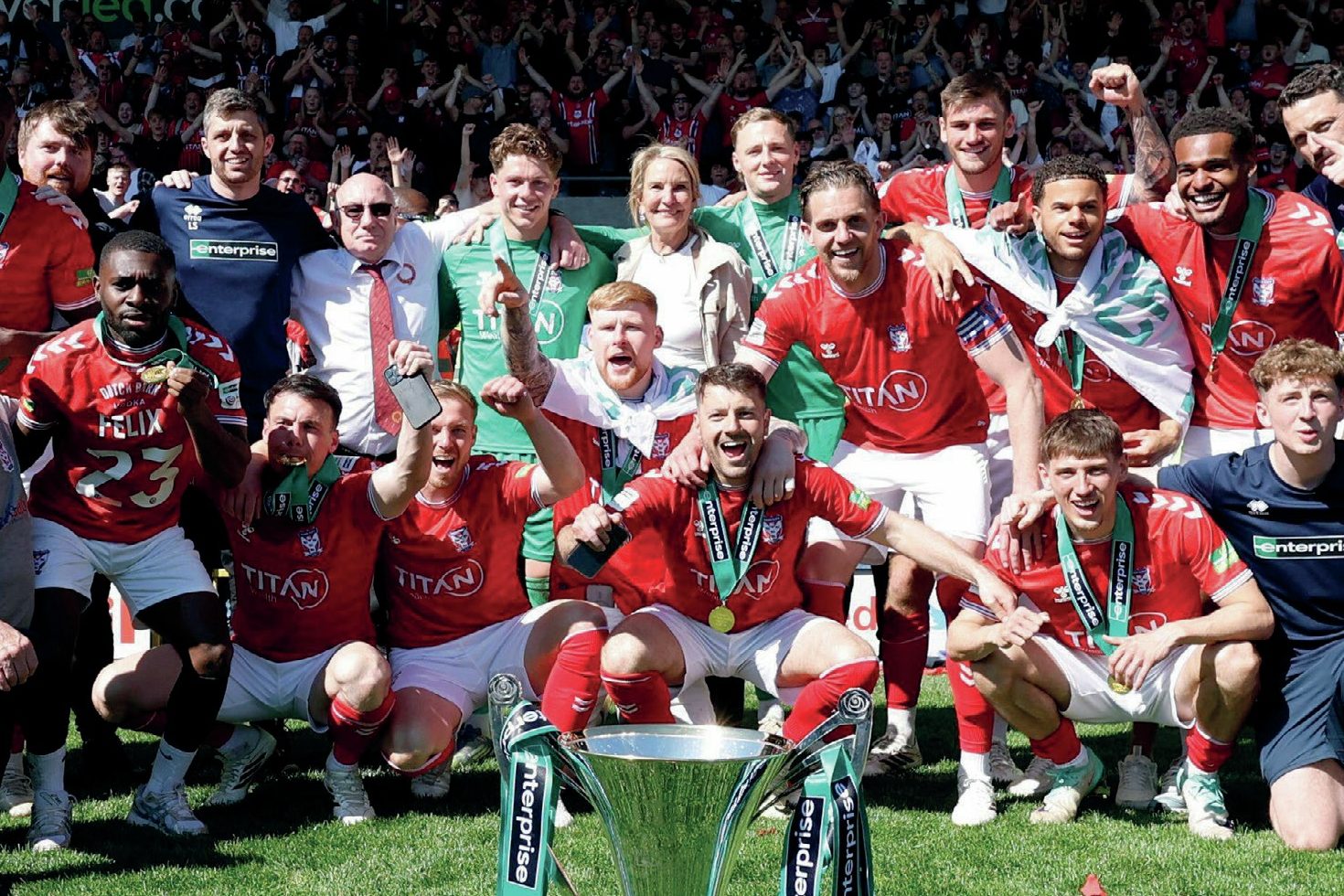
Non-League football and grassroots football combined are estimated to contribute close to £12 billion in direct economic value to the country, powered by over one million volunteers.
It’s a crucial network for the sport and in social circles, but the goal of each club is to achieve success on the pitch and to grow as an overall entity.
The football pyramid makes this possible, as does the high levels of interest in the sport across the country at all tiers of the game.
With attendances on the rise, there’s a sense of momentum and increased opportunity to grow.
From marketing to working the unique angle of a Non-League team, there are opportunities all over.
Lessons from the marketing department
As is explored in the useful booklet on growing a club from the Manchester FA, marketing has a useful saying.
You either “get big, get niche, or get out.”
As most Non-League clubs simply don’t have the funds or capacity to “get big,” the choice has to be to “get niche.” Luckily, this can be achieved in many different ways.
Plus, with the accessibility and usage of social media and such, getting a niche marketing campaign and a club’s unique selling point to local fans and those further afield has never been easier.
The chairman of Lewes FC has previously discussed how they created themed food options through a mix of different partners.
Importantly, clubs need to understand their fans and what they expect from a day at Non-League football.
For the most part, low-cost tickets and at least 90 minutes of competitive football are the staples. From there, promotions and extras can be bundled into the marketing plan.
A similar thing can be seen from another activity, notably seen to be about low-cost entertainment.
The bingo welcome bonus offers a £10 free bingo bonus for anyone who visits a club.
It’s a way to encourage people to come and play, with the hope being that they’ll enjoy the overall experience enough to want to join the community.
Atmosphere through community
After generating interest and getting more people through the gates, the goal is to offer an experience that keeps them coming back for more.
Atmosphere is the main selling point.
Even if the team loses or it’s a bit of a dull draw, the atmosphere leading up to kick-off, during the game, and afterwards is what feeds into the occasion more consistently.
Bringing in instruments and local fan bases to make some noise around the ground will generate a rhythm to the occasion.
Around that, it’s about encouraging people and allowing the means for them to express themselves throughout.
Engaging with fans who regularly attend can offer a glimpse into what can be done.
After all, they’re participants in the occasion and not merely spectators.
Offering a path for open discussions with fans, getting ideas in, and gauging how well the current setup works can quickly generate a path to growing the appeal of the matchday experience.
Regular communications enable clubs to keep refreshing and improving.
Increasingly, people want to go to non-league games and engage with local clubs.
To make the most of this opportunity, niche and encouraging marketing combined with community-driven matchday experiences is the way forward.




Featured
BT Calling

Dagenham & Redbridge
Dagenham & Redbridge boss Lewis Young wants to lead revival after relegation

Non-League Paper
Club allocations revealed: 2025-26 league line-ups unveiled
Follow us
Read our latest news on any of these social networks!



Tackle the News
- Sign Up for our weekly Non-League Newsletter